The Role of Trees in Urban Heat Reduction: Making Cities More Livable Jul 05, 2026
Trees play an essential role in urban heat reduction by providing shade and through the process of evapotranspiration. Shade from trees blocks sunlight from reaching paved surfaces and building exteriors, significantly lowering surface temperatures. This natural canopy reduces the need for air conditioning, thus decreasing energy consumption and greenhouse gas emissions.
Additionally, trees engage in evapotranspiration, where water absorbed by the roots is released through leaves as vapor, cooling the surrounding air. This natural air conditioning effect creates a comfortable environment even on the hottest days. The more trees a city has, the more efficient this cooling process becomes, highlighting the necessity of planting and maintaining trees in urban areas.
Beyond cooling benefits, trees offer a host of other advantages that enhance urban living. They improve air quality by trapping pollutants and releasing oxygen, create habitats for urban wildlife, and enhance the aesthetic value of neighborhoods. In communities with abundant tree cover, property values often rise, underscoring the economic benefits of maintaining healthy urban forests.
Tree-lined streets and parks also encourage walking and outdoor activities, contributing to the physical and mental well-being of urban residents. A walk under a shaded tree canopy is not only cooler but also promotes relaxation and stress relief, improving quality of life in densely populated cities.
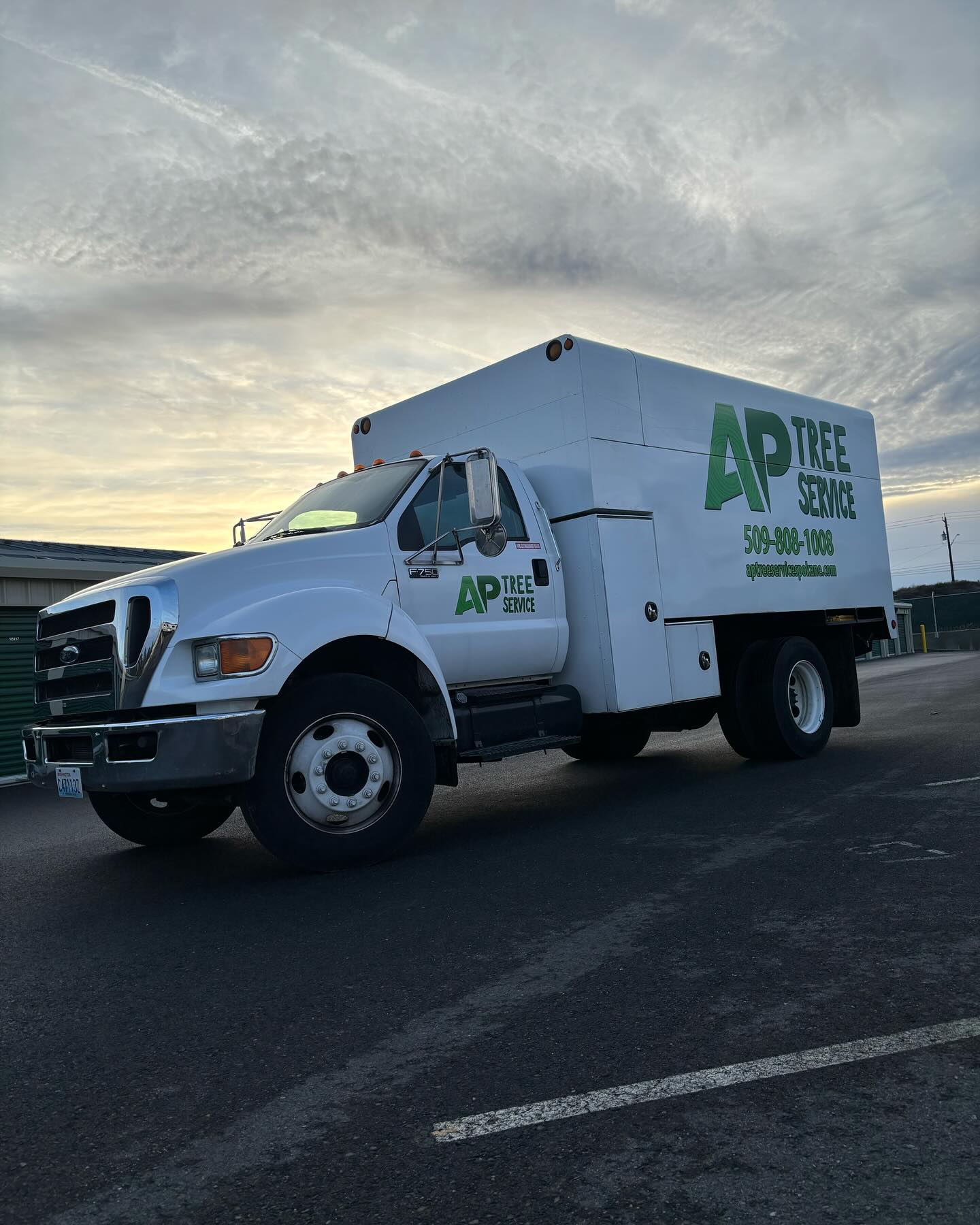
However, maintaining trees in an urban setting requires careful planning and regular maintenance. Not all tree species are suitable for cities, and selecting the right species is vital for maximizing their benefits while minimizing risks such as root damage to infrastructure or falling branches. This is where professional tree services, like those offered by AP Tree Service, become invaluable.
AP Tree Service provides expert advice on selecting native tree species that thrive in urban conditions and require minimal care. Their services include planting, pruning, and routine health check-ups to ensure trees remain robust and continue delivering their cooling benefits for decades.
In conclusion, trees are indispensable allies in the battle against urban heat. They significantly reduce temperatures through shading and evapotranspiration while providing a myriad of other benefits. As urban areas continue to grow, integrating more trees into city planning and maintenance programs is not just beneficial, but essential for creating sustainable, comfortable, and liveable urban environments. Residents are encouraged to foster partnerships with tree service professionals to ensure their community benefits from lush, healthy, and effective urban forests. By doing so, the path to cooler and more vibrant urban living becomes attainable.
/filters:no_upscale()/filters:format(webp)/media/62220e9f-33d1-4375-8f43-3ed924882368.jpeg)
/filters:no_upscale()/filters:format(webp)/media/6dcb8949-207d-48c5-9073-e55995fff958.jpeg)