The Art and Science of Tree Transplanting for Thriving Growth Jun 20, 2026
To begin with, understanding why you might need to transplant a tree is crucial. Sometimes, the decision to move a tree stems from landscape remodeling, construction projects, or the simple need to offer a tree more space or better conditions for its roots and canopy. The benefits of tree transplanting, when done correctly, include keeping cherished trees alive and ensuring new developments do not necessitate unnecessary tree removal. When the process is managed properly, it also contributes to biodiversity and maintains ecological balance.
The preparation phase is where the science of tree transplanting shines. This step involves carefully selecting the season, usually opting for late fall or early spring when trees are dormant, as this minimizes transplant shock. Digging a proper root ball is critical too. The size of the root ball should be proportional to the size of the tree; typically, about ten to twelve inches of root ball per inch of tree trunk diameter will suffice. Wrapping the root ball securely and ensuring it remains moist throughout the process is vital to keep the tree healthy.
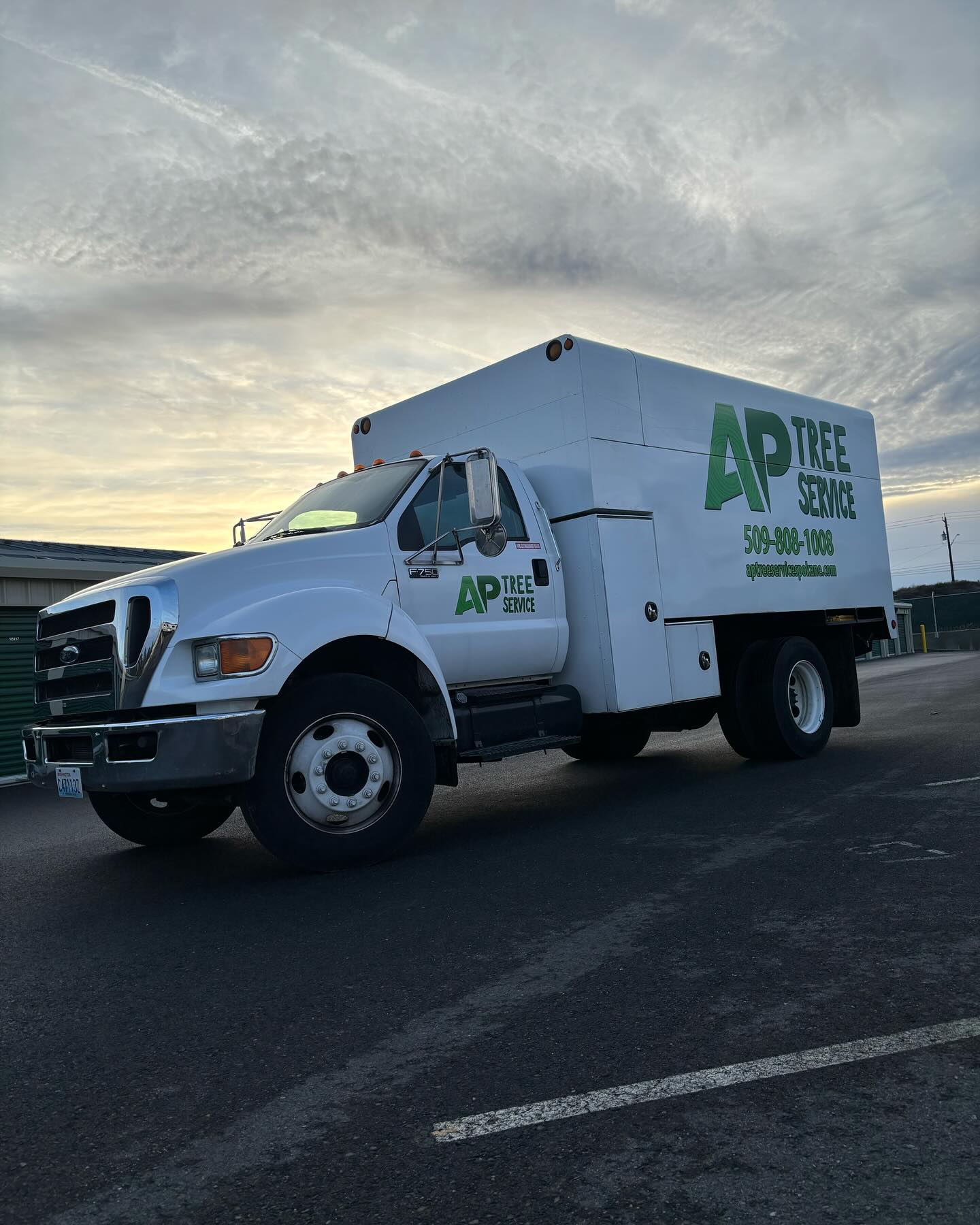
Next comes the art of physically moving the tree. Here, both precision and care are essential. Trees must be lifted by the root ball rather than the trunk to avoid damage. It's an intricate dance where skill meets experience, ensuring the tree arrives at its new location intact. AP Tree Service employs state-of-the-art equipment and skilled technicians to facilitate this process while minimizing stress and damage to the tree.
Upon reaching its new home, the tree needs to be replanted with care. The hole should be twice as wide and of the same depth as the root ball, ensuring the tree sits at the same level in the soil as it did previously. Adding compost or other organic matter to the soil can give the tree a nutrient boost, but it’s crucial to avoid excessive fertilization immediately, as this can harm its developing roots. Watering deeply and regularly helps establish the tree, especially during the first year after transplanting.
Moreover, providing adequate support, like stakes if needed, can help the tree as it adjusts and grows stronger in the new soil. Monitoring the tree for signs of stress or disease is an ongoing task post-transplant. Look out for wilting leaves, delayed budding, or discoloration, which can indicate the tree is struggling to adapt.
In conclusion, tree transplanting provides a unique opportunity to preserve and reposition trees without compromising their health or beauty. With the expertise of AP Tree Service, you can navigate this complex process with confidence, ensuring that your trees not only survive but thrive in their new location. Whether it’s preparing strategically, executing the move seamlessly, or offering continual aftercare, our commitment is to secure a flourishing future for every transplanted tree.
/filters:no_upscale()/filters:format(webp)/media/62220e9f-33d1-4375-8f43-3ed924882368.jpeg)
/filters:no_upscale()/filters:format(webp)/media/6dcb8949-207d-48c5-9073-e55995fff958.jpeg)