How Arborists Diagnose and Treat Tree Pests: Protect Your Green Assets Jun 11, 2026
Arborists play an essential role in identifying tree pest problems early, which is critical for effective pest management. The first step in diagnosing tree pests involves a comprehensive inspection. Arborists are trained to observe subtle signs that might indicate pest issues, such as discolored leaves, unusual growth patterns, or small holes in the bark. Early detection is key because delaying intervention can lead to severe damage or even the loss of the tree.
Once an arborist identifies a potential pest problem, they will determine the specific type of pest involved. This is a crucial step because not all pests affect trees the same way, and each requires a different method of treatment. Common pests include aphids, beetles, caterpillars, and borers. Each of these has distinct characteristics and may attack different parts of the tree.
Understanding the pest’s lifecycle is another important consideration. Arborists study whether the pests are present in larval or adult forms, their breeding patterns, and their seasonal activity. This understanding helps arborists time their treatments to maximize efficacy and limit collateral damage to the environment or other non-target species.
In terms of treatments, arborists have several options. One common method is the application of insecticidal sprays. These are targeted treatments that eliminate pests without causing undue harm to beneficial insect populations. Systemic insecticides, which are absorbed by the tree and eliminate pests from within, are another option, especially for pests that are difficult to reach through surface sprays.
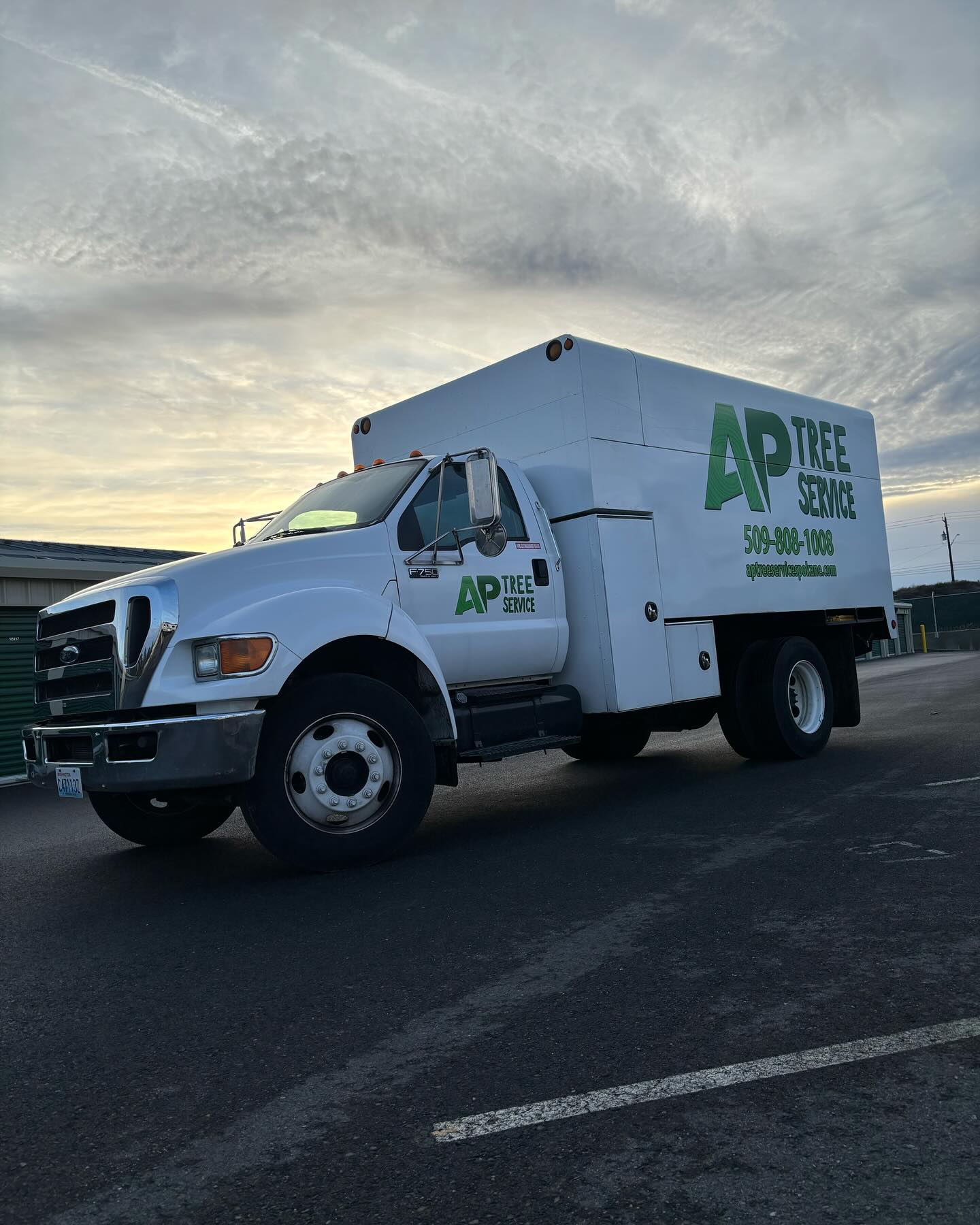
For customers of AP Tree Service, sustainable and environmentally friendly practices are often a priority. In such cases, biological controls, which use natural predators to manage pest populations, can be employed. This approach requires releasing specific insects that naturally prey on pests affecting your trees.
In addition to chemical and biological treatments, arborists might recommend certain cultural practices to deter pests. These include pruning infected branches, ensuring proper tree nutrition, and maintaining appropriate watering schedules. Such practices not only help in controlling current infestations but also in preventing future ones by strengthening the overall health of the tree.
It is also vital to establish a regular inspection schedule with a certified arborist. Routine check-ups are an effective way to catch any pest issues before they become severe. Arborists can provide ongoing guidance on maintaining the health of your trees and safeguarding them against potential threats.
In conclusion, arborists are indispensable allies in protecting your trees from pest infestations. Through expert diagnosis, targeted treatments, and proactive care, they ensure that your green assets remain healthy and vibrant for years to come. Whether you are dealing with a current pest problem or aiming to prevent future ones, a partnership with a professional tree service, such as AP Tree Service, will offer peace of mind and practical solutions tailored to your needs.
/filters:no_upscale()/filters:format(webp)/media/62220e9f-33d1-4375-8f43-3ed924882368.jpeg)
/filters:no_upscale()/filters:format(webp)/media/6dcb8949-207d-48c5-9073-e55995fff958.jpeg)