Debunking Common Myths About Tree Care and Maintenance Jun 23, 2026
One prevalent myth is that topping a tree is beneficial for its health. Topping involves cutting the main branches down to stubs, supposedly to control size. In reality, topping can severely damage the tree, making it prone to disease and pest infestation, and weakening its natural structure. A better practice is selective thinning, which involves removing specific branches to improve light penetration and air movement while keeping the tree’s natural shape intact.
Another common fallacy is thinking that trees need stakes to grow strong and tall. Although staking is necessary in some cases, such as when a tree is young or in particularly windy areas, over-relying on this method can result in weak root systems. Trees are generally better off when allowed to sway naturally, which encourages stronger roots and trunks. If staking is needed, ensure it is done correctly and only for a limited time to avoid long-term dependency.
Many homeowners believe that applying mulch directly against the tree trunk offers great protection. While mulch is beneficial in conserving moisture and suppressing weeds, it should be used thoughtfully. "Volcano mulching," or piling it high against the trunk, can trap moisture, leading to rotting and inviting pests. Instead, create a "mulch donut" with a gap around the trunk, spreading it evenly to prevent these issues.
A widespread but inaccurate belief is that newly planted trees should be fertilized right away to ensure robust growth. New trees need time to adjust to their environment and establish roots. Fertilizing too soon can burn the young roots or stimulate growth faster than they can sustain. Instead, focus on proper planting methods and water management, and consult a professional if you think fertilization is necessary after a year or so.
Some might think that trimming large branches from a mature tree can be done at any time of the year. This is another misconception. Proper timing for pruning is crucial and generally depends on the tree species. For most trees, late winter is optimal as they are in their dormant phase, reducing stress and exposure to pests. A certified arborist can provide guidance on the best pruning schedule for your specific trees.
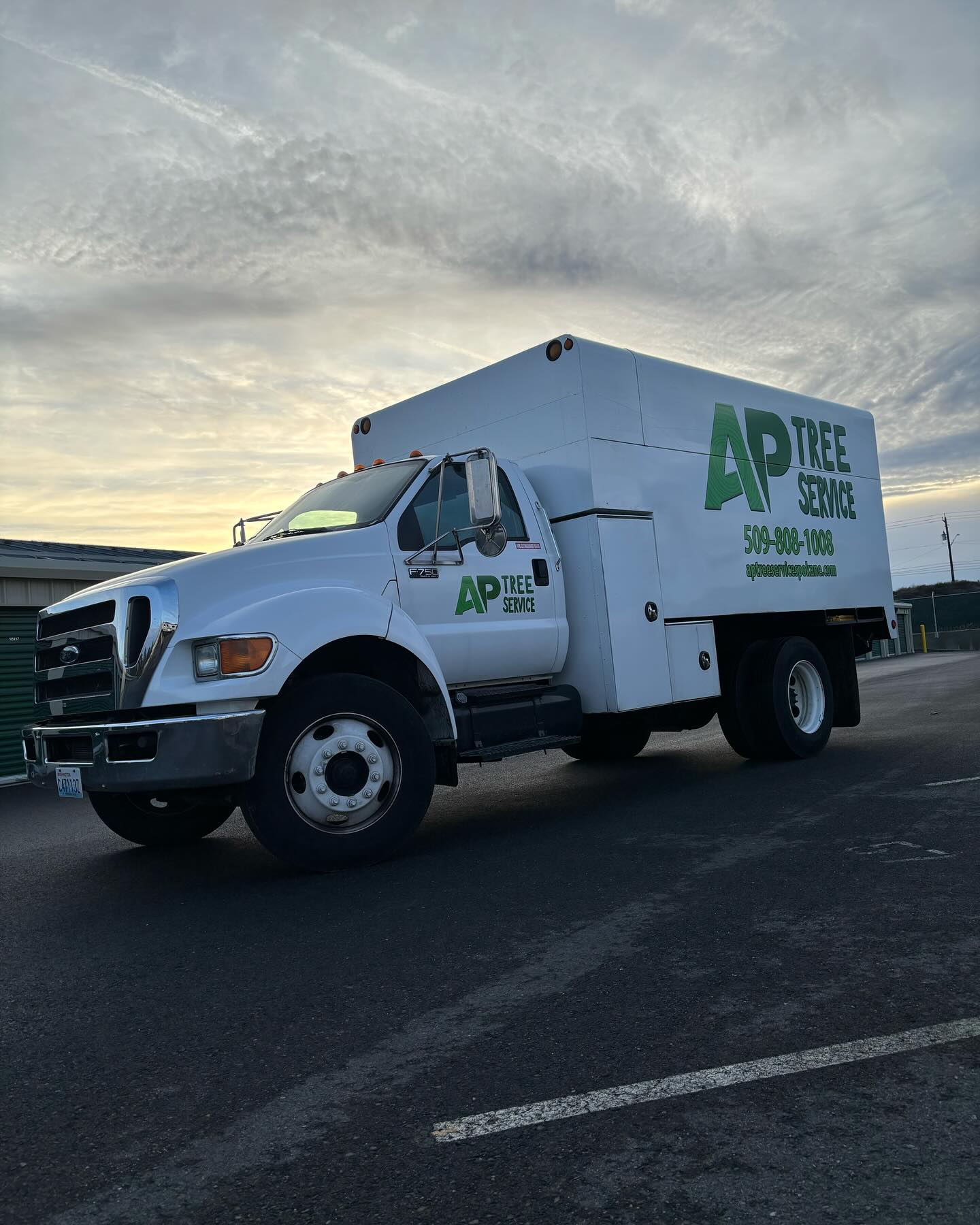
Lastly, a myth that persists is that tree removal should only be considered when a tree is visibly dead or dying. While dead or hazardous trees should certainly be removed for safety reasons, there are other factors to consider. Trees that interfere with electrical lines or are causing structural damage to property may also need to be removed for practical reasons—always a scenario that AP Tree Service can intelligently assess for you.
Debunking these myths allows homeowners to approach tree care with strategies that nurture growth, safety, and beauty in their landscape. Recognizing the importance of dispelling these common myths and adhering to expert guidance ensures healthy, thriving trees for generations. AP Tree Service is committed to providing quality, professional tree care advice tailored to your unique landscape. With a clear understanding of effective methods, you can make empowered decisions about tree maintenance with confidence.
/filters:no_upscale()/filters:format(webp)/media/62220e9f-33d1-4375-8f43-3ed924882368.jpeg)
/filters:no_upscale()/filters:format(webp)/media/6dcb8949-207d-48c5-9073-e55995fff958.jpeg)